Mattress materials and support
Inside the Vispring Regal Superb: Materials, Support, and Craftsmanship
A luxury mattress is best understood not by its name, but by what happens beneath the cover: the materials that meet the body, the springs that respond to it, and the workmanship that keeps those elements working together. The Vispring Regal Superb offers a useful lens on those questions—and on the practical choices that matter when comparing a high-end mattress.
Published November 18, 2026
The mattress beneath the name
A mattress can look simple from the outside: a broad, upholstered surface, squared edges, a layer of fabric. Its real character is harder to see. It lies in the relationship between the comfort layers and the spring system, in how materials distribute pressure and manage warmth, and in whether the bed maintains a consistent feel as the years pass.
That is why a considered comparison of the Vispring Regal Superb begins with construction, not reputation. The model name may signal a place within a collection, but it does not tell a sleeper whether the surface will feel welcoming or firm, whether the support will suit a side-sleeping shoulder, or whether the mattress will work with an existing frame. Those answers depend on details—and on the person lying down.
Specifications can also differ by market, size, and product revision. Before making a decision, check the current manufacturer information for the precise model and configuration being considered. In particular, confirm the listed fillings, spring type and count, firmness options, dimensions, care instructions, and warranty terms. A careful buyer treats the product description as a starting point, then tests the mattress in person if possible.
Materials: the first conversation with the body
The upper layers of a mattress shape its initial sensation. They determine how quickly the surface gives way, how much it cushions prominent pressure points, and how readily it returns as the sleeper changes position. Natural fibers, foams, and blended fillings each behave differently; none is automatically best for every body or climate.
Wool, when used in mattress fillings, is valued for a springy feel and its capacity to help manage moisture and temperature. Cotton can contribute a breathable, comparatively crisp layer. Other fibers and comfort materials may add loft, resilience, or a different degree of cushioning. The exact blend matters, as does where each material sits in the mattress. A soft surface layer over a more structured core can feel quite different from a firm surface built over a similar support system.
One useful way to evaluate a materials list is to ask what each layer is there to do. Does it soften the first contact? Does it help the sleeper settle into the surface? Does it provide a buffer between the body and the springs? Is it intended to support airflow or resist moisture buildup? The answers are more informative than a list of appealing-sounding materials alone.
Natural fillings can be attractive to people who prefer traditional mattress construction, but “natural” is not a guarantee of comfort, coolness, or suitability. Warm sleepers should assess the whole sleep system, including the mattress cover, sheets, duvet, bedroom temperature, and personal sensitivity to heat. Someone who sleeps cold may appreciate a more embracing surface. Someone who overheats may want a less insulating combination of mattress and bedding.
It is also worth distinguishing initial plushness from long-term support. A mattress can feel soft at first contact and still provide a stable underlying platform; another may feel firm on top but yield more deeply once the body settles. A brief showroom test should include enough time in the sleeper’s usual positions to notice whether the shoulders and hips feel accommodated and whether the lower back remains comfortably supported.
A spring system is more than a number
Springs are the active structure of many traditional luxury mattresses. They carry and distribute weight, respond as a sleeper moves, and help determine the bed’s overall support and resilience. But spring count, taken alone, is a poor shortcut to comfort. Counts may refer to different units or layers, and a higher figure does not by itself establish that a mattress will suit a particular person.
With pocket springs, individual springs are housed in fabric pockets so that they can respond with some independence from their neighbors. This can help a mattress adapt to pressure across the surface and may reduce the extent to which movement travels from one area to another. The outcome depends on more than the spring unit: wire characteristics, spring dimensions, arrangement, mattress size, comfort layers, and upholstery all contribute to the sensation.
When assessing the Regal Superb, check the current technical specification rather than assuming details from another Vispring model apply. Confirm whether the listed spring system is single- or multi-layer, how it varies by size, and what the manufacturer says about firmness or tension options. These are concrete points that help translate construction into a likely feel. If a retailer describes a model as “supportive” or “responsive,” ask what those terms mean in the particular configuration.
Support is not synonymous with hardness. A well-matched mattress should allow the body to settle enough for pressure to be spread comfortably while preventing excessive sinking. The right balance varies with body shape, weight distribution, preferred sleeping position, and personal taste. A side sleeper, for example, may need enough give around the shoulder and hip; a back sleeper may focus more on whether the torso and pelvis feel evenly held. These are tendencies, not rules.
For couples, motion transfer and differences in comfort preference become part of the calculation. A shared mattress has to work for two bodies, not an abstract average sleeper. If one person moves frequently or the partners prefer notably different feels, test the bed together and ask about available size and configuration choices. A showroom demonstration cannot reproduce every night at home, but it can reveal obvious disagreements before purchase.
Craftsmanship lives at the edges, too
Handwork in a mattress is not simply a story about tradition. Its value depends on the task it performs and the consistency with which the mattress is made. Details such as quilting, tufting, border construction, and the way layers are secured can affect the mattress’s finish and help keep its internal materials in place. Buyers should ask what these features mean for the specific model rather than treating craftsmanship as a promise of a particular lifespan.
Edges deserve attention because they influence how much of the mattress feels usable. Sit on the side, lie near the perimeter, and notice whether the edge feels stable enough for getting in and out of bed. Edge performance can depend on the border design and the whole structure, so it should be experienced directly where possible.
Finishing also includes the practical details that become visible only after delivery: handles, seams, labels, rotation guidance, and the care instructions supplied with the mattress. A carefully finished product should arrive with clear information about what the owner is expected to do. Do not assume every mattress should be flipped or rotated on the same schedule. Follow the instructions for the exact model.
Workmanship and materials may contribute to durability, but they cannot eliminate wear. All mattresses change with use. The underlying frame, the weight placed on the bed, the room environment, and regular care all influence how a sleep surface performs over time. A durable choice is therefore not just a matter of buying the most elaborate construction. It also means matching the mattress to its base and using it as intended.
Firmness: personal, not universal
Firmness labels are useful as broad signposts, but they are not a common scientific scale shared by every manufacturer. One brand’s “medium” may feel unlike another’s. The same mattress can also feel different to two sleepers because body weight and shape affect how deeply each person compresses its comfort layers.
For that reason, consider the Regal Superb in the context of your own preferences. Think about the beds you have liked, and what you liked about them: a cushioned first impression, a more buoyant response, a close-fitting surface, or a steady feel that makes turning easy. Then test the mattress in your usual sleeping position. Stay on it long enough to notice pressure at the shoulder, hip, and lower back, rather than choosing on the basis of a quick sit.
If you wake with discomfort, it is tempting to assume that a firmer or softer mattress will solve the problem. Mattress selection may affect comfort, but persistent or severe pain should not be treated as a product-selection problem alone. Seek appropriate clinical advice where needed. A mattress is not a substitute for diagnosis or treatment.
Likewise, claims that a particular mattress will correct posture, improve circulation, or resolve snoring should be examined carefully. A comfortable position may help some people rest more easily, but individual health outcomes vary. Look for specific, supportable product information and avoid relying on broad health promises as a substitute for personal assessment.
The frame, the room, and the complete sleep setup
A mattress is not an island. The foundation beneath it affects stability and may influence how the finished bed feels. Before ordering, check the Regal Superb’s current requirements for bases, slats, and compatible frames. Confirm the permitted spacing between slats if relevant, along with any restrictions on adjustable bases. A beautiful mattress on an unsuitable support can disappoint—and may affect warranty coverage.
Measure the room as well as the bed. Check the mattress dimensions against the frame, but also consider stairways, doorways, tight turns, and the space needed to make the bed. A large mattress can be difficult to maneuver into an older home or a compact bedroom. Delivery arrangements, access, removal of an old mattress, and installation should be clarified before purchase, not on the day the new bed arrives.
Bedding changes the experience too. A breathable sheet and appropriately weighted duvet can help create a comfortable microclimate around the sleeper. The site’s Levanto Duvet Cover, for example, is made from extra-long-staple cotton sateen and has inside ties to secure the duvet. It is an accessory rather than a mattress component, but it illustrates an important point: the bed’s surface layers work together, and the cover can influence the feel and temperature of the sleep environment.
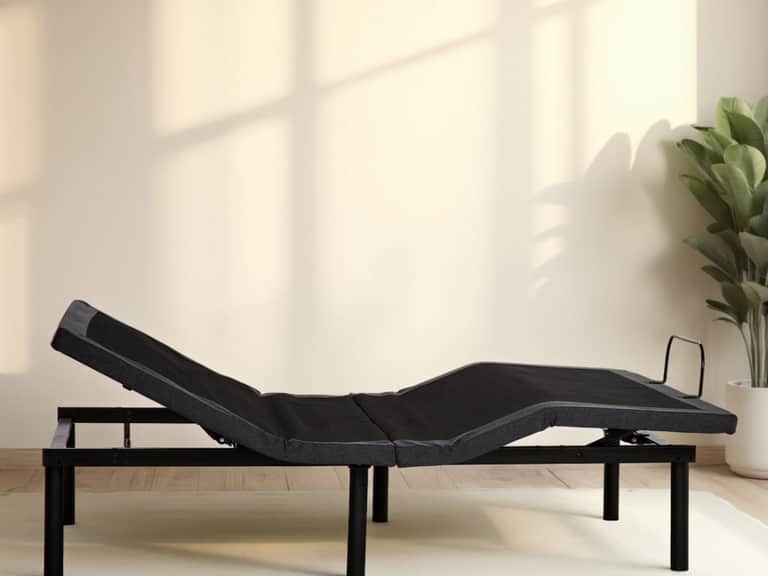
For adjustable-bed owners, compatibility deserves particular care. Do not assume that a mattress designed for a traditional foundation will perform identically on an articulating base. Ask the manufacturer or retailer to confirm suitability for the exact base and mattress combination. The same rule applies to toppers: thickness and material can change the feel, while extra layers may affect how a mattress flexes.
Questions to ask before buying
Luxury mattress descriptions often contain a great deal of information, but a focused conversation can make the details more useful. Before deciding, ask for written answers to the points that affect comfort, compatibility, and ownership:
- What are the current fillings and construction details for the exact Regal Superb size being quoted?
- What spring system and tension or firmness options are available, and how are they described by the manufacturer?
- What kind of foundation is recommended, and are there limits on slat spacing or adjustable-base use?
- Does the mattress need to be rotated, and what care instructions apply to this version?
- What are the delivery, setup, old-mattress removal, trial, return, and warranty terms?
- Are there differences between showroom samples and the specification of the item that will be delivered?
These questions are not an attempt to reduce a carefully made mattress to a checklist. They are a way to make sure the story told by the product page matches the bed that will arrive. Clear answers also make comparison easier. When two mattresses have different constructions, evaluate each on its own terms rather than assuming a shared label means a shared feel.
Comparing models without getting lost in the language
Vispring’s range includes different constructions and material profiles, so a comparison should focus on the actual models under consideration. For a separate example of how a product description can explain its layers, the Vispring Coronet listing describes wool and cotton fillings, pocket springs, and hand-finished details. That information belongs to the Coronet; it should not be assumed to describe the Regal Superb.
This distinction matters. A shared manufacturer does not mean two mattresses have identical fillings, spring arrangements, or comfort. Nor does a price difference, by itself, explain how one model will feel. Ask for a side-by-side specification comparison and, where possible, try both beds under the same conditions. Pay attention to the first impression, the support after several minutes, ease of movement, and whether pressure builds in your usual position.
Take care with comparisons based only on spring count. A count may be presented without clarifying whether it includes all layers, what size it refers to, or how the unit is arranged. Likewise, words such as “luxury,” “natural,” and “handmade” need context. The most useful comparison names the materials, explains their placement, identifies the support construction, and supplies the practical terms of ownership.
A decision built on fit
The Vispring Regal Superb is best approached as a complete sleep system rather than a famous name or a single headline specification. Its materials matter because they shape comfort and temperature. Its support system matters because it distributes weight and responds to movement. Its craftsmanship matters insofar as it contributes to construction, consistency, and the finished surface. But none of those features can determine comfort in isolation.
The right questions are practical and personal: Does the mattress feel comfortable in the position you use most? Does it provide the balance of cushioning and support you prefer? Is its construction suitable for your frame? Can it be delivered into the room? Are care, warranty, and return terms clear? A confident purchase is one in which the appealing details and the everyday realities agree.
Luxury, in the end, is not measured solely by the number of layers or the intricacy of a stitch. It is measured night after night, in the quiet fit between a sleeper and a surface. The specifications can point the way. The body—and a careful test—delivers the verdict.
At a glance: what to evaluate
- Materials: Confirm the current fillings, their placement, and the role each layer serves.
- Support: Review the spring construction and assess comfort in your usual sleeping position.
- Craftsmanship: Look at finishing and edge stability, while keeping durability claims in perspective.
- Compatibility: Verify the mattress is suitable for the bed frame or adjustable base you own.
- Ownership: Check care guidance, delivery arrangements, trial or return terms, and warranty conditions.