Bedding & Everyday Comfort
A Practical Guide to Choosing Linen Bedding for Every Season
Linen has a way of feeling both considered and easy: airy when the room is warm, comfortably substantial when the weather turns, and softer with time. The right choice depends less on a single thread count than on fabric, weave, room temperature, and the layers you like around you.
Linen bedding has a distinctive appeal. It is breathable without feeling insubstantial, textured without being rough by design, and relaxed in appearance without looking careless. Those qualities help explain its place in bedrooms across climates and seasons. Yet “linen” is not a complete buying guide. Fiber quality, construction, finishing, and the way a sheet fits your mattress all affect the experience.
Choosing well begins with the conditions in which you sleep. A warm room, a cool room, a naturally warm sleeper, and someone who prefers a cocoon of layers will not necessarily want the same setup. Understanding how linen behaves—and how it works alongside blankets, duvet covers, and bedcovers—makes it easier to create a comfortable bed that does not need a complete seasonal overhaul.
This guide explains what to look for in linen sheets and duvet covers, how pure linen compares with blends, and how to care for the fabric so it can soften gracefully. The aim is not to prescribe one perfect bed. It is to help you build a practical arrangement around your room, your habits, and the temperatures you encounter throughout the year.
Why linen works across changing temperatures
Linen is made from flax fibers, whose structure gives the fabric a characteristic combination of strength and airiness. In bedding, that structure can allow air to move through the weave and help moisture disperse from the skin. The result is a surface many people find less clammy than heavier, less breathable fabrics on warm nights.
That does not mean linen actively cools a room or regulates body temperature like a thermostat. Comfort is a relationship between the fabric, the sleeper, the room, and the rest of the bedding. A linen sheet beneath a thick duvet may still feel warm. A light linen cover in a chilly, drafty room may feel insufficient on its own. Linen’s value is its versatility: it can form a breathable base layer, then be paired with more or less insulation as conditions change.
Moisture management is part of that appeal. Linen can absorb moisture while often retaining a relatively dry-feeling surface, though performance varies with the weave, weight, finish, and the individual sleeper. For people who tend to feel warm at night, this can make linen a useful option to compare with other bedding materials. It is not a treatment for night sweats or a substitute for medical advice when sleep or temperature symptoms are persistent.
Texture is equally important. New linen can feel crisp, dry, or more pronounced than smooth cotton, and preferences differ. With regular use and appropriate laundering, many linen fabrics become softer while keeping their familiar character. That gradual change is part of the material’s appeal: the bed can feel more lived-in rather than worn out, provided the textile is well made and cared for correctly.
Pure linen or a linen blend?
Pure linen offers the most direct expression of the fiber: a naturally irregular surface, a relaxed drape, and a texture that tends to soften over time. It is often chosen by people who value breathability, durability, and a less polished finish. Because linen fibers are strong, quality linen can withstand repeated use, but strength does not make it immune to damage. Excessive heat, harsh chemicals, and overly aggressive washing can weaken any textile.
Linen blends combine flax with another fiber, commonly cotton. The precise feel depends on the proportions and construction, so the word “blend” alone does not predict softness or performance. A blend may feel smoother or drape differently from a pure-linen fabric; it may also be designed to reduce creasing or offer a different balance of cost, care, and texture. Look for a clear fiber-content label rather than assuming every blend behaves the same way.
There is no universal winner. Choose pure linen if its natural variation and easy, rumpled look are part of the experience you want. Consider a blend if you prefer a smoother hand, a more orderly appearance, or a fabric specifically designed to be simpler to maintain. When possible, handle a sample or compare fabric descriptions from a maker that clearly explains composition and care.
- For a distinct linen texture: explore pure linen and expect a relaxed surface that may soften with use.
- For a smoother feel: compare linen blends, checking the exact fiber proportions.
- For low-maintenance bedding: review the care instructions and wrinkle expectations before buying; blends are not automatically wrinkle-free.
- For long-term use: assess construction, stitching, fit, and care guidance alongside the material name.
How to compare linen sheets
Sheets sit closest to the body, so their feel matters immediately. Start with the basics: fitted-sheet dimensions, mattress depth, whether the mattress has a topper, and whether the set includes the pieces you actually use. A fitted sheet that cannot accommodate the full mattress height may pull loose. A flat sheet offers flexible layering and can be tucked, folded back, or removed as the night changes.
Next, consider weave and fabric weight. Linen is not typically evaluated through thread count in the same way as many cotton sheets; thread-count comparisons can be misleading when applied across different fibers and construction methods. A useful product description should provide meaningful information about the linen, its weave or finish where available, and the care it requires. If those details are absent, ask for clarification rather than relying on a single number.
Pay attention to hand feel as well as appearance. Some linen is deliberately washed or softened before sale, while other fabric may arrive with a crisper feel. Neither is inherently superior. Pre-washed linen may offer a more familiar softness from the first night; a crisper fabric may relax gradually. The key is whether you enjoy the expected feel and understand how it may change.
Construction details can make everyday use easier. Check that seams are finished neatly, pillowcases suit your pillow dimensions, and closures on duvet covers are practical. If a set uses coordinating stripes or colors, confirm that the pieces are sold in the sizes you need. A coordinated bed is most successful when it works with your routine, not when it requires extra pieces that go unused.
Choosing a duvet cover and bedcover
A linen duvet cover brings the fabric’s texture to a larger surface and can make changing the bed feel less formal. Before choosing one, confirm the dimensions of your duvet insert. A cover that is substantially too large can allow the insert to shift; one that is too small can compress it and affect how it lies. Interior ties or other fastening details may help keep the insert in place, while a secure closure makes routine changes simpler.
Think about the cover as part of a system. In warmer weather, a breathable linen cover may be enough over a lighter insert—or, for some sleepers, with no insert at all. In colder months, the same cover can hold a warmer duvet. The fabric does not need to change simply because the calendar does; insulation and layer count often do the more useful work.
Bedcovers and coverlets add another adjustable layer. A light cotton voile bedspread, for example, can offer a cool, airy finish for summer use, while a woven wool or alpaca-blend coverlet can provide more substance when a room feels cooler. These materials are not substitutes for linen sheets, but they can complement them. The principle is simple: add warmth above the breathable base rather than assuming every layer must be the same fabric.
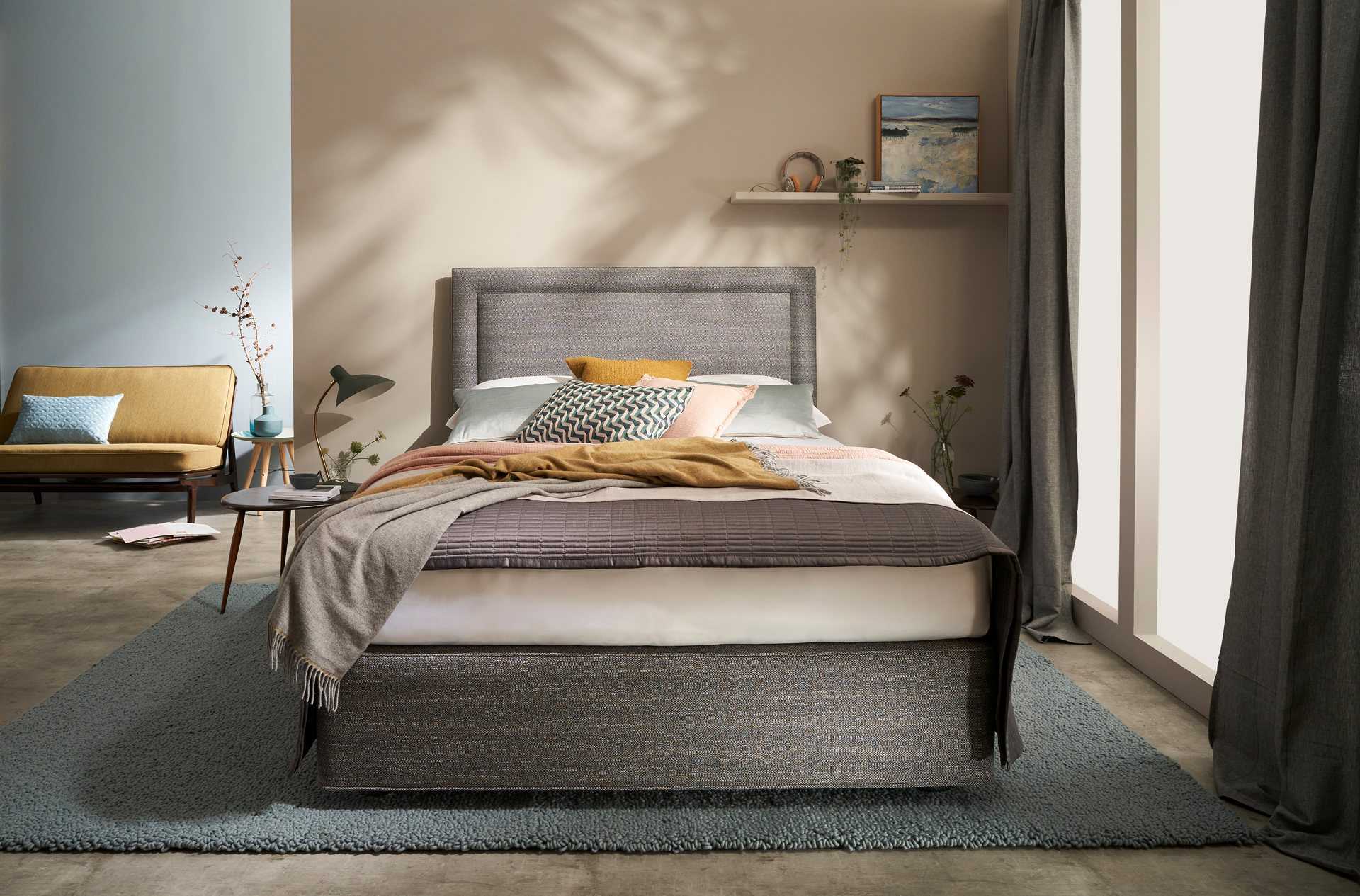
For a calm, cohesive look, coordinate pillowcases, sheets, duvet cover, and bedcover through a shared color family or related texture. Matching every item exactly is not necessary. A restrained mix—plain sheets, a subtle stripe, and a tactile coverlet—can give the bed depth without adding visual clutter or physical bulk.
Build a linen bed for each season
Spring: keep layers easy to adjust
Spring temperatures can shift quickly between evening and morning. Use linen sheets as a breathable foundation, then choose a duvet or blanket that can be folded back without remaking the whole bed. A light coverlet at the foot of the bed gives you an additional option on cooler nights. This is a season for flexibility, not a rigid changeover date.
Summer: reduce insulation, not comfort
When the bedroom is warm, prioritize a lighter sleep system. Linen sheets and a lightweight duvet cover can provide a comfortable surface without the weight of multiple blankets. A thin cotton voile bedspread can serve as an alternative top layer when a full duvet feels excessive. If the room remains hot, bedding can only do so much; ventilation, shade, and room conditions also influence comfort.
Choose colors and patterns for the atmosphere you like, but remember that color alone does not determine how cool a bed feels. Fabric weight, the number of layers, and the warmth of any insert are more practical considerations.
Autumn: add warmth gradually
As evenings cool, retain the linen sheets and introduce a warmer duvet or an extra blanket. A coverlet can bridge the gap between a summer setup and winter bedding, keeping the bed adaptable as temperatures fluctuate. Because linen has a relaxed drape, it layers naturally with wool, cotton, and other materials when proportions are considered.
Winter: let the top layers do the insulating
In a cold bedroom, linen sheets may feel cool when first getting into bed, especially if the room is unheated. The solution is generally to adjust the complete system: use a suitable duvet, add a blanket, or include a warmer coverlet. A breathable base can still be useful beneath insulating layers, but personal preference matters. Someone who likes a smooth, warm-feeling sheet from the outset may prefer another fabric or a blend during the coldest months.
For couples with different temperature preferences, separate blankets or individual top layers can be more effective than searching for one fabric that suits everyone. The best seasonal arrangement is the one that can be adjusted without creating discomfort for either sleeper.
Care that helps linen last
Always begin with the care label. Linen products may differ in finishing, dye, and construction, so a general rule should not override the manufacturer’s instructions. In many cases, gentle washing, moderate temperatures, and a mild detergent are sensible ways to reduce unnecessary stress on the fibers. Avoid overloading the machine, which can prevent bedding from moving freely and rinsing thoroughly.
Creasing is part of linen’s character. If you like a crisp, smooth appearance, follow the care instructions for ironing or steaming, and consider removing the bedding promptly after washing. If you prefer a relaxed finish, air-drying or using a low-heat setting where permitted may suit your routine. Do not use high heat without checking the label; temperature can affect fibers, color, and finishing.
Rotate sets if you own more than one. Regular rotation distributes wear and gives each set time to dry fully before reuse. Store clean bedding in a dry, well-ventilated place, and avoid putting it away while damp. With thoughtful care, linen can remain a useful part of a bedroom for years, though longevity depends on quality, washing habits, and frequency of use.
A buying checklist before you decide
Before committing to new linen bedding, take a moment to match the product to the bed and the person using it. A short checklist can prevent the most common mismatches: a sheet that does not fit, a texture that feels wrong, or a duvet cover that adds more warmth than expected.
- Measure the mattress, including its depth and any topper, before selecting fitted sheets.
- Check the duvet insert dimensions and the closure or fastening details of a cover.
- Read the fiber-content label to distinguish pure linen from linen blends.
- Consider whether you prefer a crisp, dry texture or a softer, smoother finish.
- Look for clear care instructions and decide whether they fit your laundry routine.
- Assess the room’s usual temperature and your own preference for warmth before choosing additional layers.
- Buy coordinated pieces only when they serve a practical purpose; a considered mix can be just as cohesive.
The case for a considered, simple setup
There is no requirement to replace every item in a bedroom with linen. A thoughtful setup might begin with linen pillowcases or a sheet set, then add a duvet cover if the texture suits you. Another sleeper may prefer linen sheets paired with a cotton blanket or a wool coverlet. Materials can complement one another; comfort rarely depends on a perfectly matched catalogue.
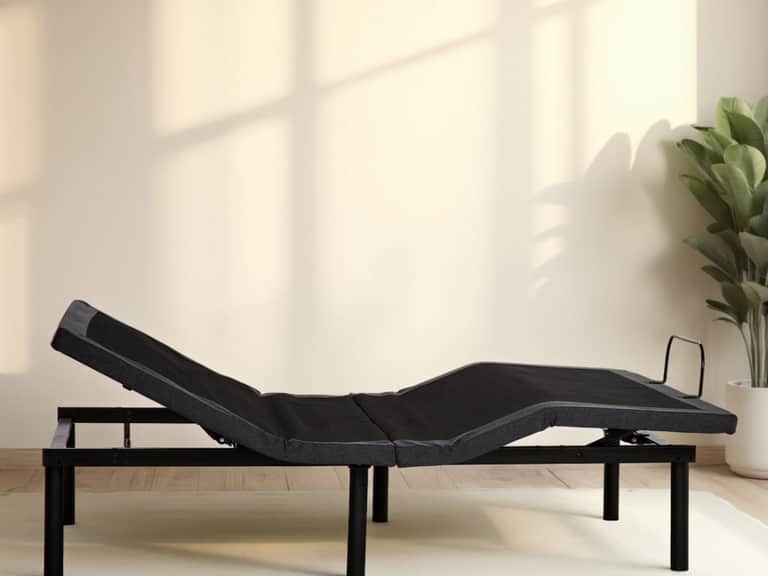
Likewise, an adjustable base changes how a bed can be positioned, but it does not decide which fabric feels right against the skin. If your setup includes one, check that sheets and covers fit the mattress securely through the positions you use, and follow the base manufacturer’s guidance for bedding and accessories. The fabric choice remains a matter of touch, temperature, fit, and care.
The strongest linen bedding choice is not necessarily the most expensive or the most elaborate. It is the one that fits, feels good to you, can be maintained in your home, and works with layers you can change as the season turns.
A final word on year-round linen
Linen’s enduring appeal rests on a useful balance: breathable comfort, moisture management, durable fibers, and a texture that becomes more familiar with use. But these qualities work best when the bedding is chosen with care. Compare pure linen and blends by composition and feel; assess fit and construction; and let the room’s temperature determine how much insulation sits above the sheets.
Seasonal comfort does not demand four separate beds. Keep a dependable base, then adjust the duvet, blanket, and coverlet as conditions change. With that approach, linen can remain part of the everyday routine from bright summer nights to the colder months—an uncomplicated foundation for a bed that feels personal, practical, and ready for rest.